The Long Count · 4 min
Where structure shows first
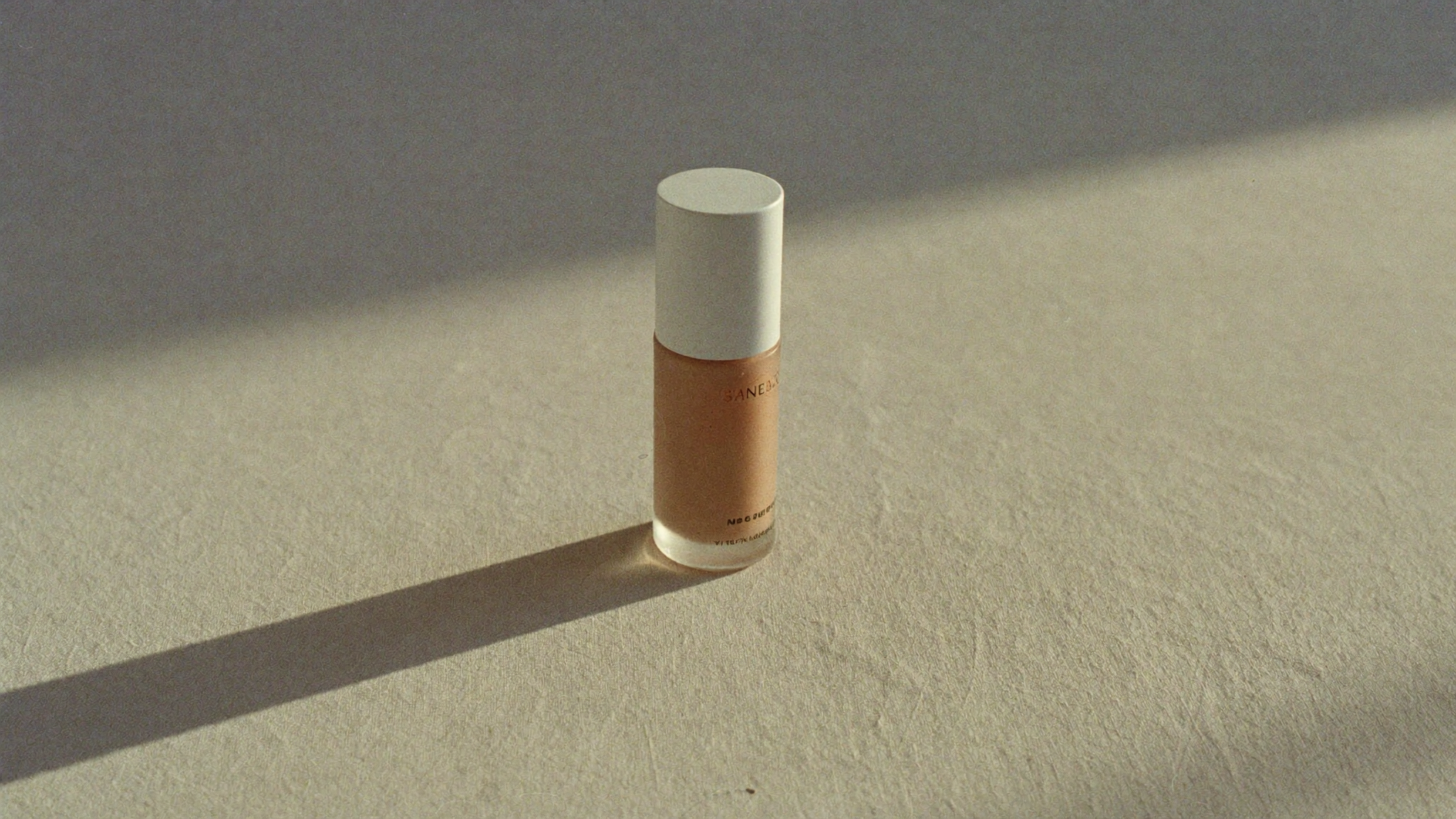
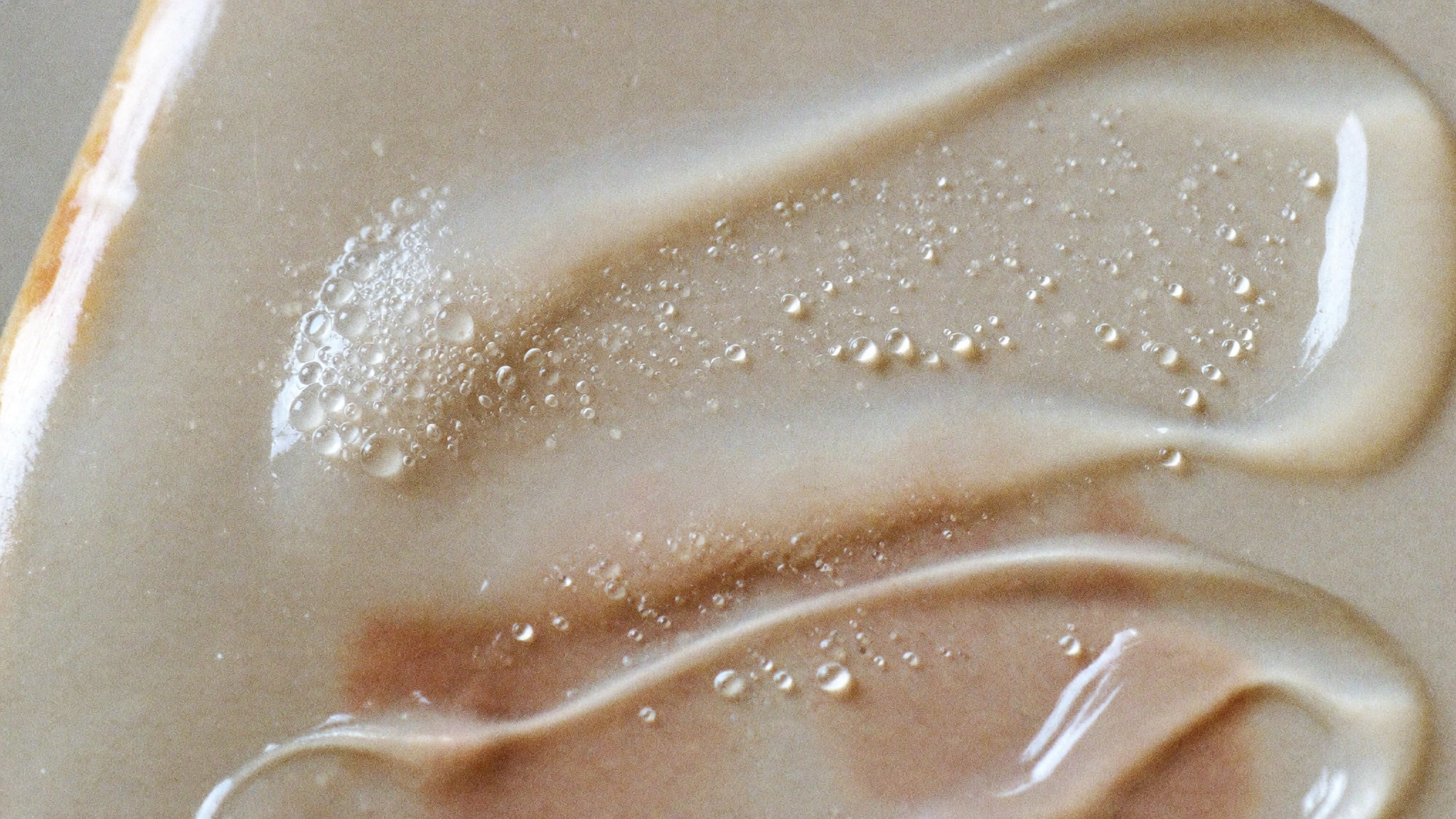
On VI — The Eye Cream
The eye area is where most people first notice change, and there is a structural reason for that. The skin around the eye is roughly a third the thickness of the skin on your cheek, with less of the matrix — the collagen-and-elastin scaffolding — holding it up. Thinner skin over less structure shows movement, fluid and time sooner than anywhere else on the face.
That is worth understanding before you buy anything for it, because it sets a realistic bar for what a cream applied to the surface can and cannot do.
Two different jobs, on two different timescales
An honest eye cream is really doing two things that work on completely different clocks, and confusing them is where disappointment comes from.
The first is same-morning. Our formula includes 1% caffeine, which is associated in ingredient studies with a temporary reduction in the look of puffiness — most likely through a mild, short-lived narrowing of surface blood vessels. This is the effect you can notice on the day. It is real, and it is fleeting; it is comfort and appearance, not structure, and it resets. Think of it as the difference between a tidy room and a renovated one.
The second job is slow. The cream carries a 2% peptide complex — palmitoyl tripeptide-1 and tetrapeptide-7 — signal molecules studied for their role in supporting the appearance of firmness. Squalane and a ceramide blend sit alongside to support the barrier of skin that is thin and easily dehydrated. This part is measured in months, if at all, and we describe it as "the appearance of" and "the look of" on purpose.
Why we won't say more than that
Here is the line we hold. An eye cream works at the surface of the skin. It does not reach in and rebuild the scaffolding beneath the eye, and any product promising to lift the area or undo the years is describing something a topical cream does not do.
We would rather tell you plainly what the ingredients are studied for — the temporary look of less puffiness, support for the appearance of firmness, a better-hydrated barrier — than imply a structural change we cannot stand behind. Under-eye texture, fine lines and a bit of shadow are normal features of a face, not defects to be corrected. A good eye cream supports the skin there. It is not in the business of persuading you the area was a fault.
The part that actually moves the needle
If the eye area is where structure shows first, the single most useful thing you can do for it is not a cream at all. It is sun protection. The thin skin around the eyes takes ultraviolet exposure badly, and the best-evidenced way to slow visible change there is the same as everywhere else: daily broad-spectrum sunscreen, plus sunglasses that block UV and stop you squinting.
An eye cream is a supporting act to that, not a substitute for it. Kept in that order, it is a genuinely nice supporting act. Skipped in favour of the cream, it is the wrong priority.
How to apply it without wasting it
The skin here is delicate, so the technique matters more than usual. Use your ring finger — it presses most lightly — and tap rather than rub or drag. A small amount, along the orbital bone, not right up against the lash line. Morning and night.
Two practical notes. If the product migrates and stings the eye, you are using too much or applying too close; pull it back to the bone and use less. And if you wear contact lenses, put them in first, or wash your hands between applying the cream and handling them.
A fair expectation
So here is the reasonable version of what to expect. On the morning, a fresher, less puffy look from the caffeine, which comes and goes. Over months, a well-hydrated, supported eye area and the appearance of firmness the peptides are studied for. Underneath all of it, the sunscreen doing the quiet, evidenced work of slowing what shows up there first.
That is a real, modest, useful product. It is not a rescue. In the place where structure shows first, the honest strategy is the same as everywhere else on the face: protect, support, and give it time.
This piece describes ingredient research in general terms, not a claim about a specific result. Keep the product to the orbital bone; if it stings, use less.