The Long Count · 4 min
The same standard, below the jaw
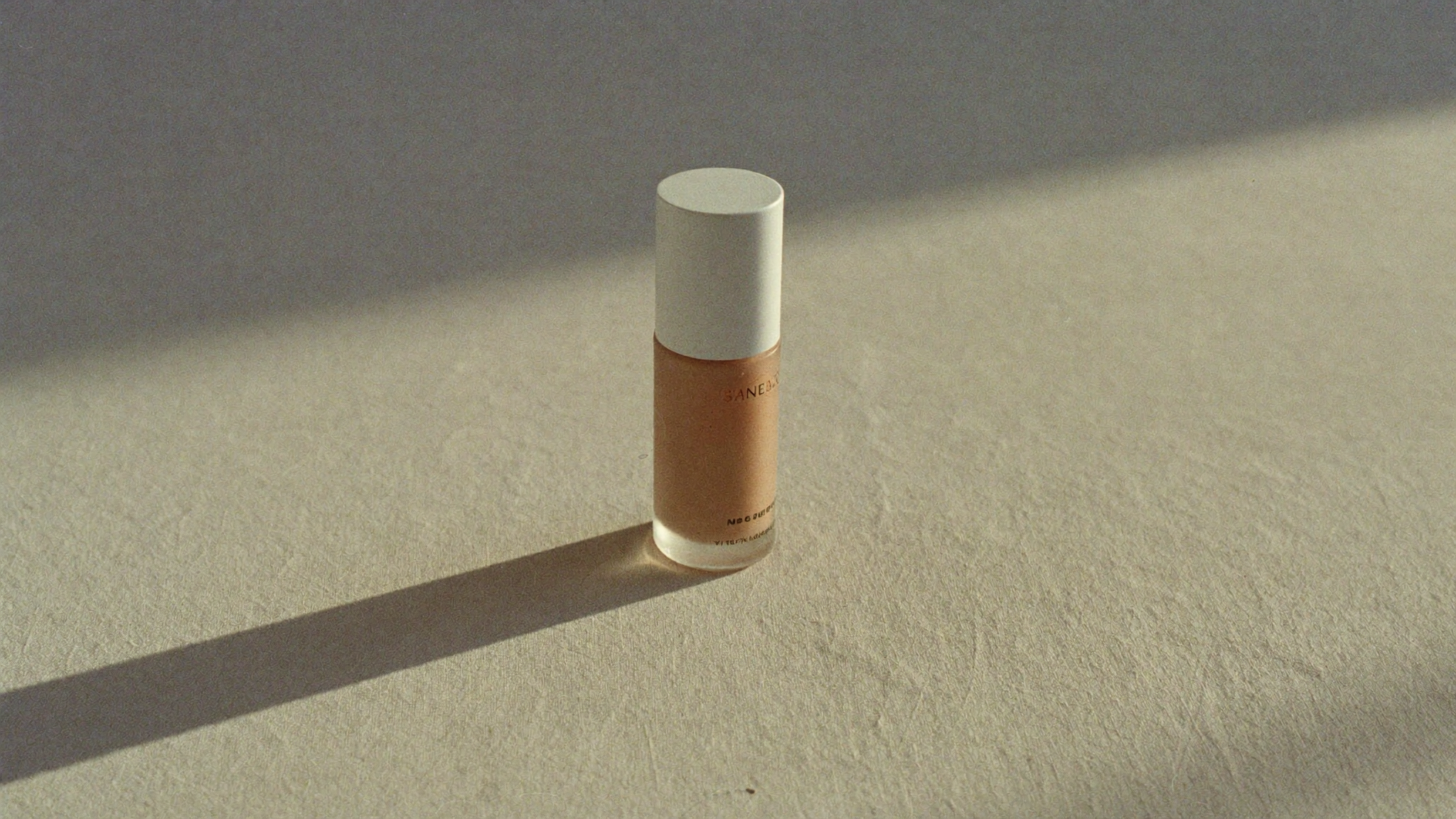
On VIII — The Body Lotion · IX — The Hand Cream
Most people run a considered routine from the jaw up and something almost random from the jaw down — whatever lotion was nearest, usually heavy on fragrance and light on evidence. It is a strange split, because the skin below your neck runs on exactly the same biology as the skin above it. It has the same barrier, made of the same lipids, losing water the same way. It just gets a fraction of the attention.
Two products in this range are built on the argument that it deserves the same logic, minus the fragrance.
The body: urea and ceramides, nothing clever
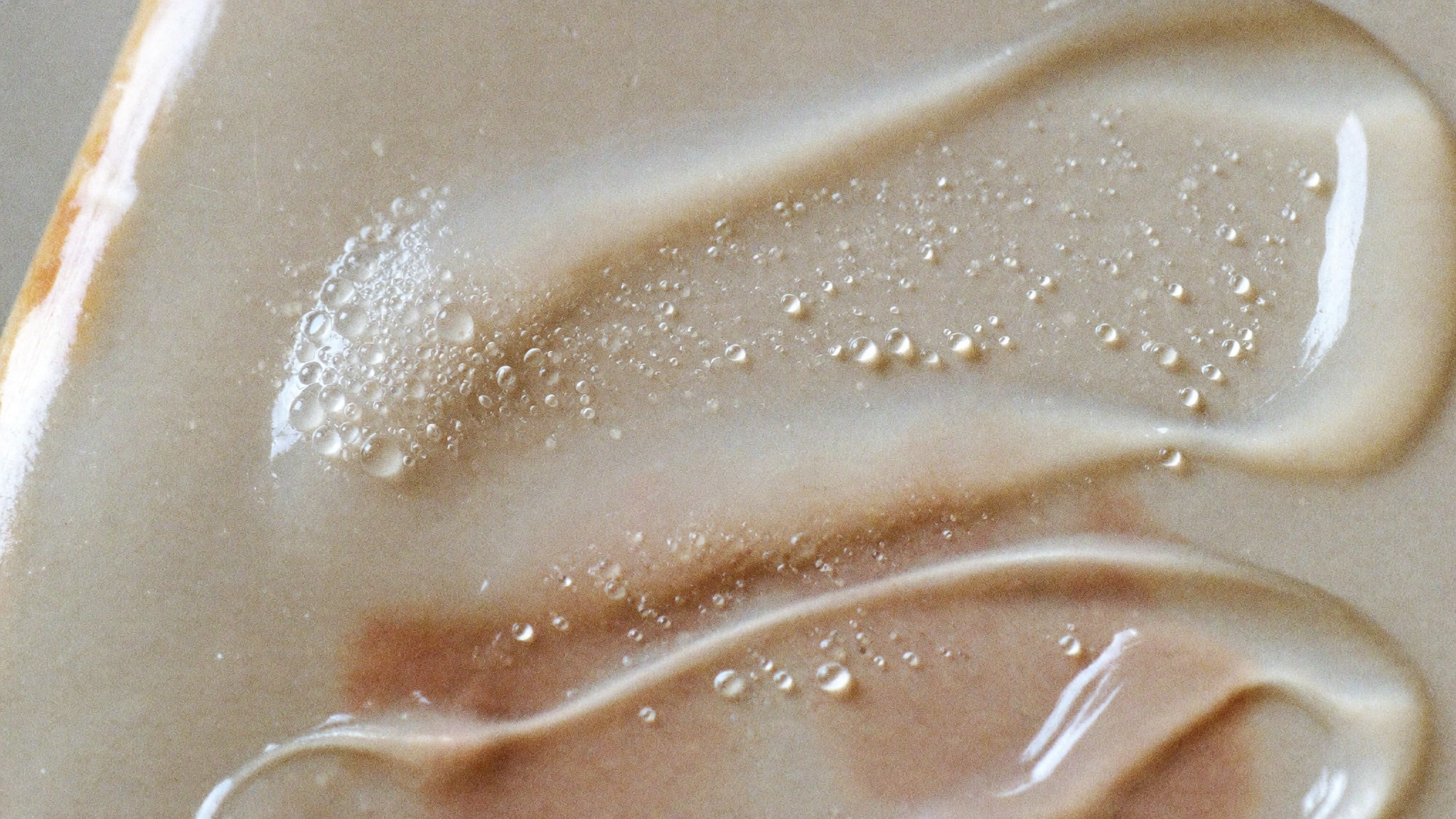
The Body Lotion is built around 5% urea, a ceramide complex, glycerin and shea butter. None of it is novel, and that is the point — it is some of the best-documented chemistry in dermatology, applied without embellishment.
Urea is worth understanding because it is quietly one of the most useful ingredients in skincare. It is already present in your skin as part of its natural moisturising factor — the built-in mix of humectants that keeps the outer layer supple. At the concentration we use, urea works mainly as a humectant: a small, water-loving molecule that draws water into the outer skin and holds it there, lowering the rate at which skin loses moisture. At higher concentrations it becomes more keratolytic, gently loosening rough, built-up skin — an effect that emerges as the percentage climbs. At 5%, the emphasis is on binding water and softening texture rather than strong exfoliation.
Ceramides are the other half. They are barrier lipids — the same mortar we talk about for the face — and body skin is built from them too. Replacing a little of what the day strips is the same move on your shins as on your cheeks.
The honest expectation: rough texture on elbows, heels and upper arms softens over two to four weeks of consistent use. Consistent is the operative word.
The hands: the most-washed skin you own
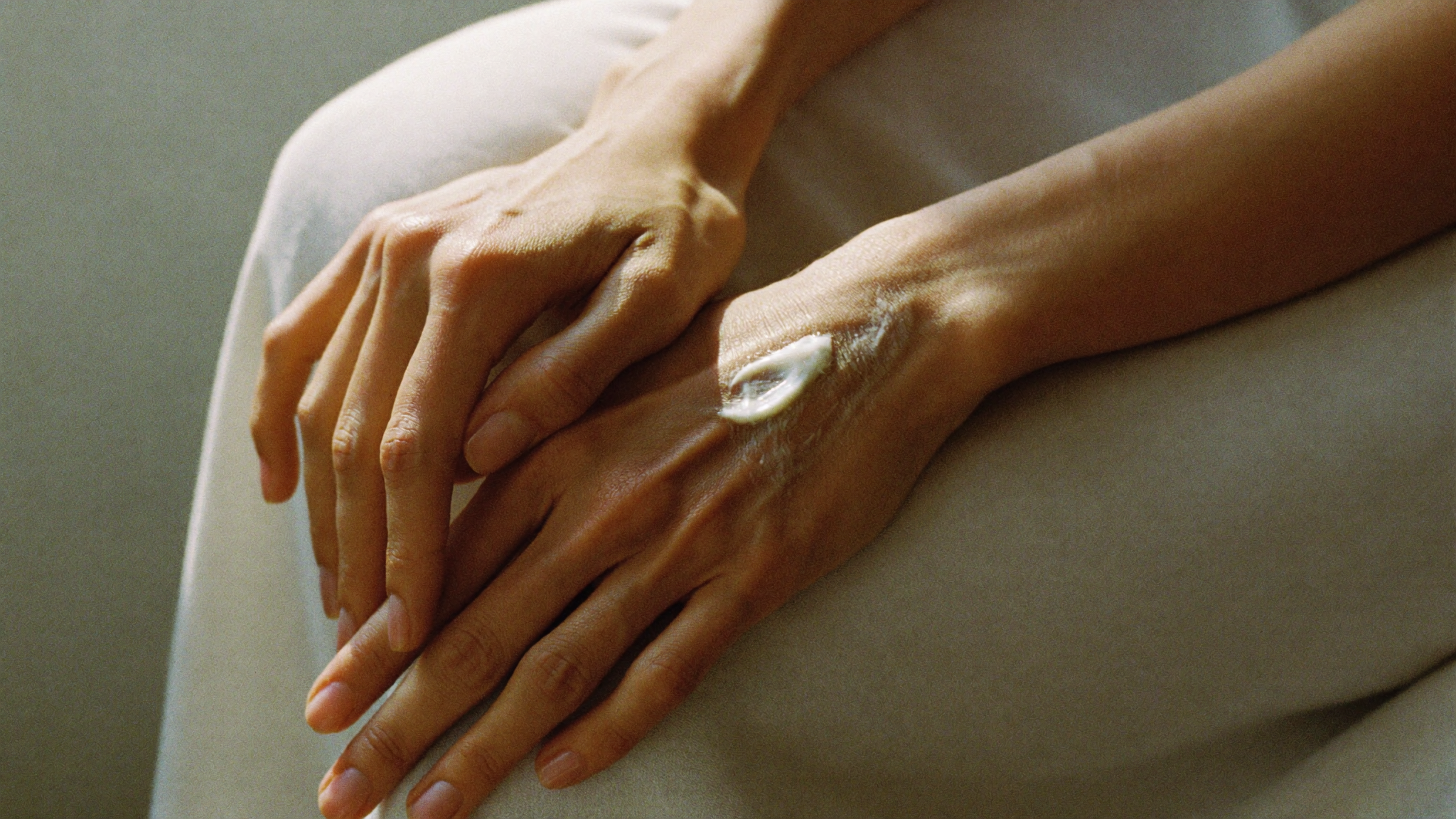
Hands are a special case, and the Hand Cream exists because of it. Hands age visibly for a simple, mechanical reason: they are washed constantly and protected almost never. Every wash strips lipids. Almost nothing puts them back. The barrier is dismantled dozens of times a day and rarely rebuilt.
So the Hand Cream is a lipid-replacement cream, plainly. Ceramides and squalane to restore the barrier lipids that washing removes, glycerin to pull water in, colloidal oatmeal to soothe. It is the smallest product in the range and, per use, probably the hardest working — because it is working against the highest-frequency stripping of any skin on your body.
The mechanism here depends entirely on the habit. A hand cream in a drawer does nothing. Keep one where the washing happens — by the sink, by the desk, in the bag — and use it after washing, as often as you remember. The cream is simple; the discipline is the whole game.
Why there's no fragrance in either
Neither product is fragranced, and that is deliberate rather than an oversight. Fragrance is the most common cause of skin reactions in leave-on products, and body and hand skin — often drier, sometimes already compromised — has no more reason to gamble on it than facial skin does. A body lotion is not improved by smelling like something. It is improved by leaving the barrier better than it found it. We took the fragrance out and put the evidence in.
Where these sit, and where they don't
A fair word on limits. Urea stings on broken or cracked skin, so both of these are for intact skin, not open areas. And neither is a treatment for any skin condition. If you are managing something — eczema, psoriasis, anything a clinician is involved in — these sit alongside that medical care as everyday moisturisers, never instead of it. Oat-sensitive skin should check the ingredient list.
Within those limits, the case is straightforward. The skin on your body and your hands is not a lesser grade that deserves a diluted afterthought. It is the same organ, doing the same job, asking for the same respect. Give it the same logic you give your face — support the barrier, hold water in, repeat — and it responds the same way. Slowly, quietly, and to the person who keeps at it.
This piece describes ingredient research in general terms and is not a treatment for any skin condition. Avoid on broken or cracked skin; oat-sensitive skin should check the INCI.