The Long Count · 4 min
A cleanser you don't notice
On I — The Cream Cleanser
The most overlooked step in skincare is the first one. A cleanser is treated as a formality — the thing you do before the products that matter. But it is the step most capable of quietly undoing the rest, and the tight, squeaky feeling most people were taught to associate with "clean" is often the sound of a barrier being stripped.
Where cleansing damage comes from
Almost all cleansing damage is surfactant damage. Surfactants are the molecules that let water lift away oil and grime — the reason a cleanser cleans at all. The catch is that they are not very fussy about which oils they lift. The same molecules that remove the day's grime can also remove the lipids your skin barrier is built from, the ceramides and fatty acids that hold water in and keep the outside out.
Harsher surfactants clean more aggressively and strip more lipids along the way. That is the tightness. It is not your skin being clean; it is your skin having lost some of its own mortar, and it is why over-cleansed skin so often swings between tight and oily — the barrier, depleted, overcompensates.
The design brief for a cleanser that behaves
If stripping is the problem, the fix is two-part: use a milder surfactant, and put a little of the good lipid back while you cleanse.
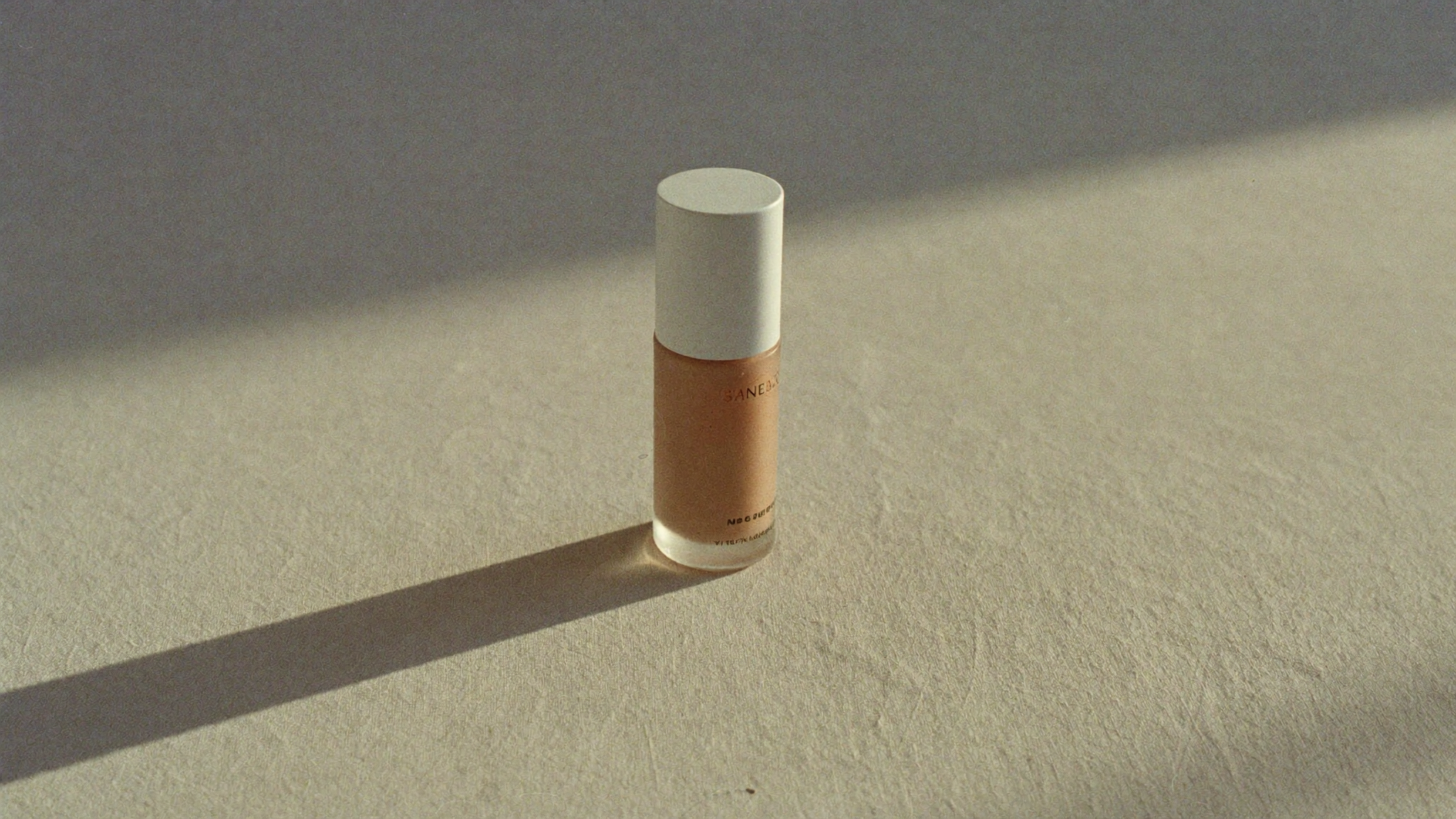
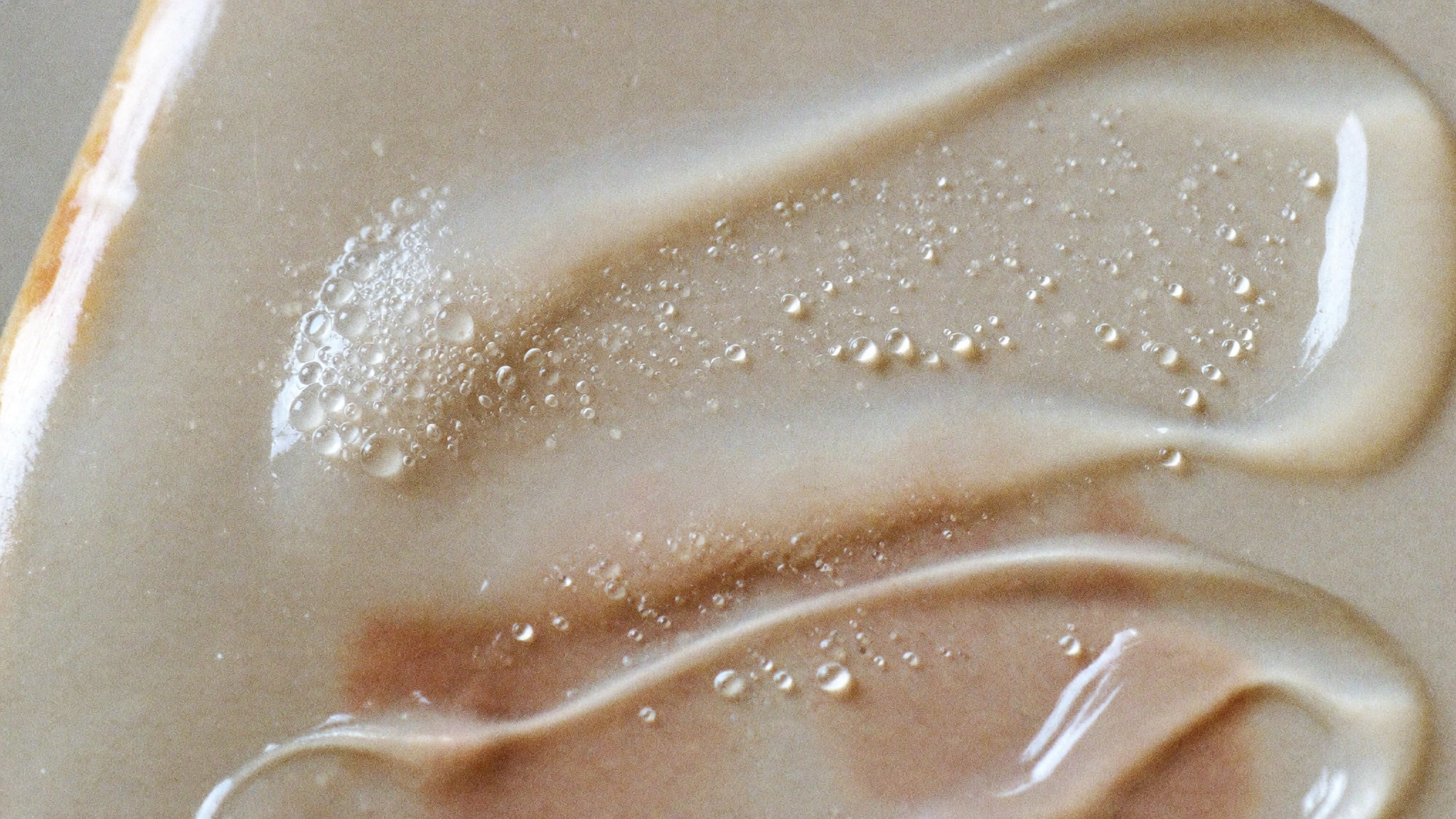
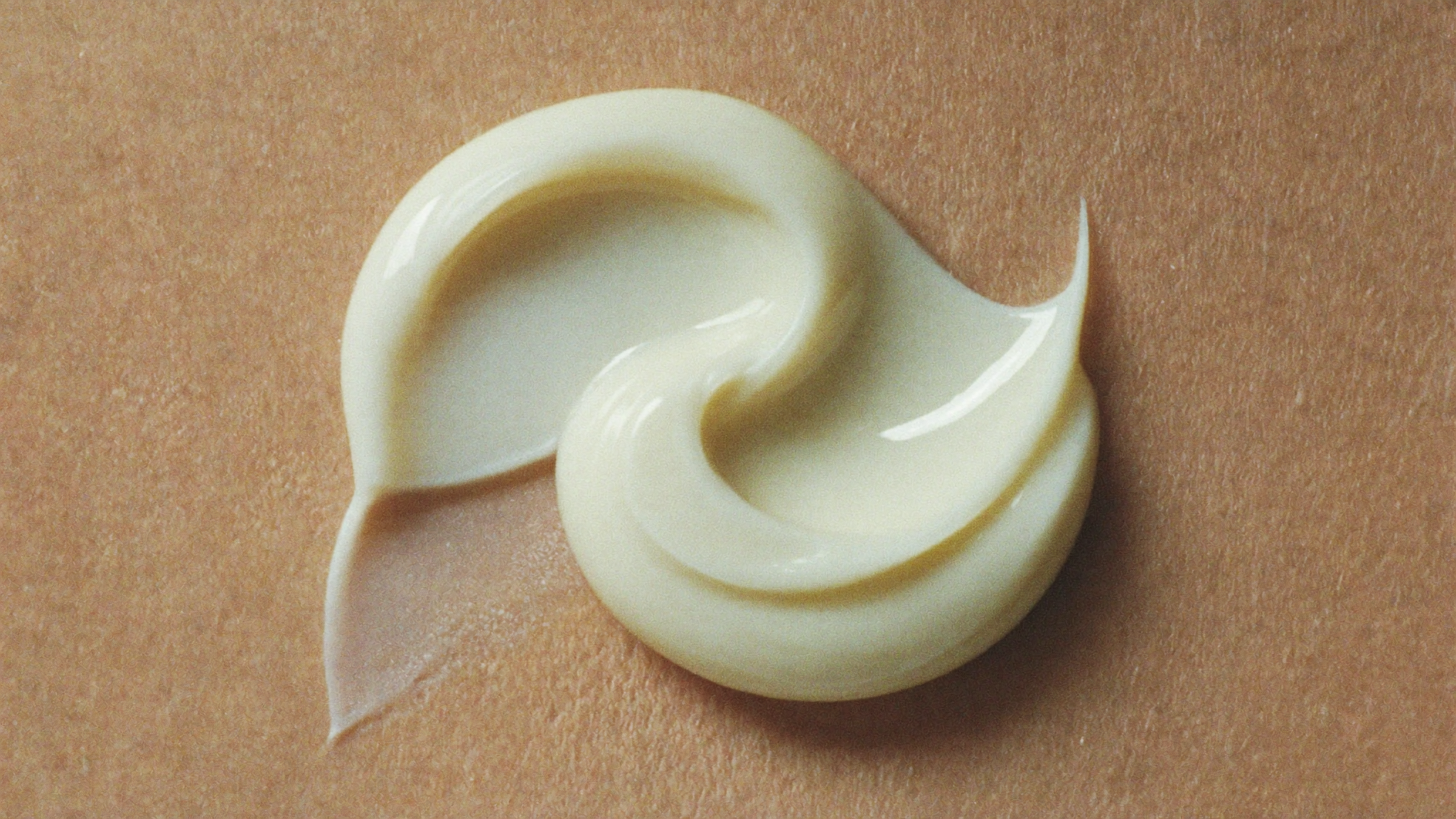
Our Cream Cleanser is built on coco-glucoside, a mild, sugar-derived, non-ionic surfactant — a gentler class than the sulphates that headline more aggressive formulas. Into that base we add a small amount of squalane, a lipid very close to one skin makes itself, plus glycerin to hold water and oat kernel extract to soothe. The idea is not clever. It cleans, and it leaves the barrier roughly where it found it.
That is the entire job. A cleanser is not the place to chase actives or dramatic results. It is the place to do no harm, so that the steps you have actually chosen — the serums, the retinoid, the sunscreen — land on skin that is intact rather than depleted.
The test of a good cleanser is a non-event
Here is how you know it is working: you notice nothing. No tightness, no squeak, no urge to immediately apply something to relieve the feeling. Skin that feels calm and comfortable straight out of the bathroom, before a single other product, is skin whose barrier was left alone.
A cleanser you can feel working is usually a cleanser doing harm. That runs against the instinct the category has trained into people — that the tight feeling is proof of a job done — but the instinct is wrong. The tight feeling is the receipt for lipids you did not need to lose.
How to use it, which is barely at all
Morning and night, on damp skin, about thirty seconds, then rinse. That is it.
A few honest notes. You do not need to double-cleanse unless you are removing heavy sunscreen or makeup, in which case a first pass with an oil-based remover, then this, is reasonable. You do not need hot water — warm is kinder and lifts oil just as well. And you do not need to cleanse a bare morning face aggressively; overnight, skin mostly needs rinsing, not scouring.
If your skin is actively reacting to a new product elsewhere in your routine, step back even from this and cleanse with water alone until things settle. There is no active here to worry about, but a barrier mid-flare wants as little friction as possible.
The formula is also fragrance-free, and that is a deliberate choice rather than a gap. Fragrance is among the most common causes of reaction in leave-on and rinse-off products alike, and a cleanser's whole job is to be uneventful. There is nothing to gain from perfuming the one step whose success is measured by how little you notice it. A cleanser should smell of almost nothing and leave your skin feeling of almost nothing. That is the brief.
The least glamorous step, and the one that protects the rest
None of this is exciting, and that is rather the point. Cleansing is the foundation the whole routine stands on, and foundations are supposed to be boring. Get it wrong and every clever step after it is working on compromised skin. Get it right and you barely think about it again.
A good cleanser is one you forget. It removes the day without removing the barrier, asks nothing of your attention, and leaves your skin exactly ready for whatever you have chosen to do next. Quiet, and load-bearing. Most of the important things are.
This piece describes cleansing and surfactant science in general terms. The formula is fragrance-free; patch test if your skin is reactive.